SUBCULTURE | Afrofuturism: A New Space
A solo vocalist stands under dim lights with a piano humming softly in the background. Sweat shines on the back of their neck as their voice strains and runs with all the passion it can exert. That’s the beauty of jazz. Have you heard of Louis Armstrong? Maybe Miles Davis? If you haven’t, you’re surely missing out. These are a small sample of famous Jazz artists throughout history during the Harlem Renaissance and the booming of jazz in the mid 1900s. Their legacy continues to carry the genre and become star icons that run it.
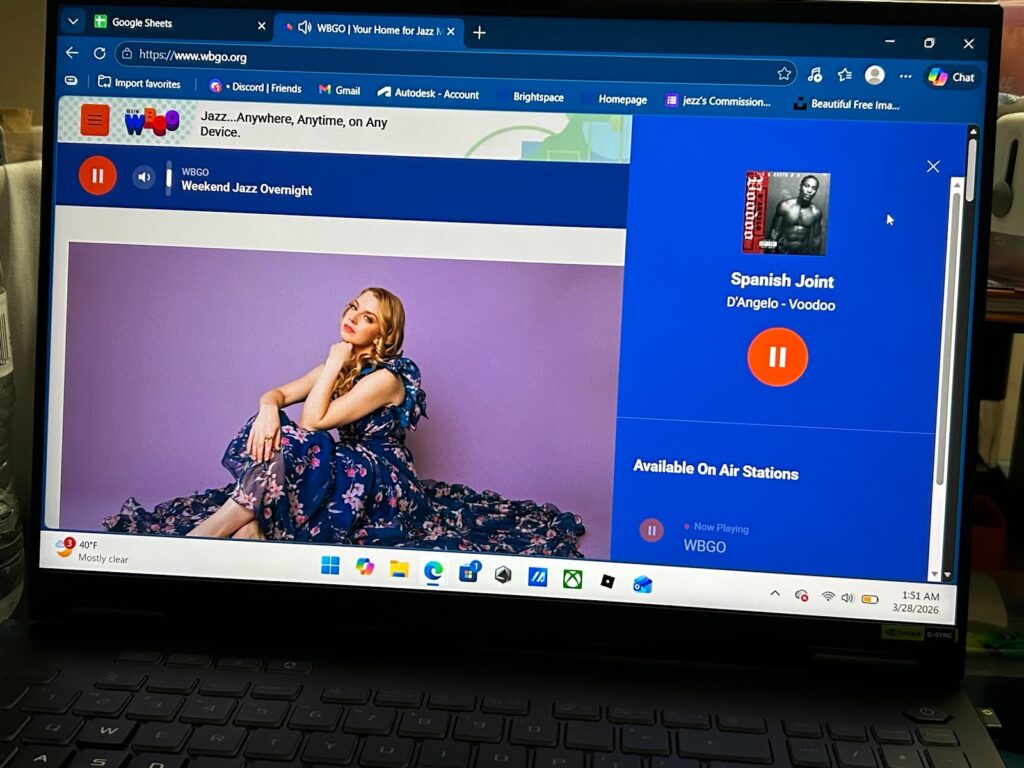
My connection to jazz began unexpectedly. Amidst a casual day in my internship, my coworker performed her daily routine at her desk and announced “Hey Alexa, play some Jazz”. As I organized my docs and spreadsheets, WBGO would start to play and low and slow music would fill the static sound of the office, a deep and rich voice that takes the stage. From there, I knew studying and listening to Jazz would become a huge part of my life. But I questioned why it’s hardly talked about, let alone heard over social media? And what are the events that led up to the revolution of Afro-inspired jazz as we hear it? This question led me to explore a specific subculture within it: afro-futuristic jazz.
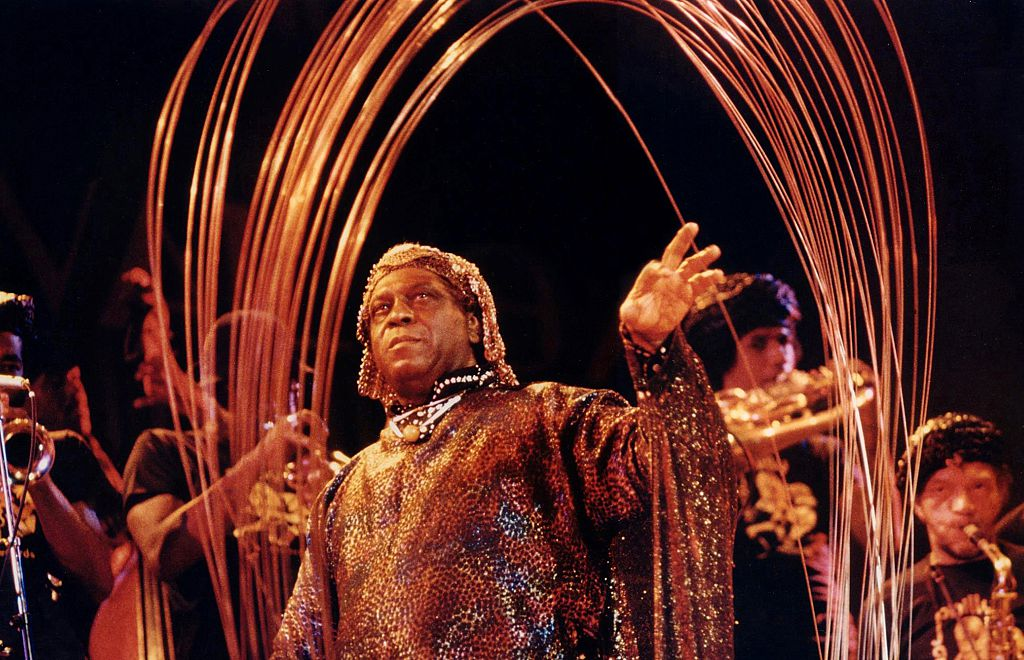
In the Jazz community, listeners and creators alike are tight knit and always booming with new creations. This includes the concept of active listening to live performances, jam sessions, and adlibs to show their engagement. But what else makes this community so special? It’s the subcultures, the types of jazz that branch out because of these unique ideas and voices. First off, how did we get to the term Afrofuturism? This term was coined by Mark Dery, a culture critic, in order to point out the lack of Black representation in sci-fi stories. However, these arts existed long before the term was defined. Let’s distinguish Afrofuturistic artists from the popular jazz that we know: Sun Ra, Alice Coltrane and Kamasi Washington distinguish their craft with the use of spiritual themes and electronic rhythms when it comes to representing Afrofuturism. It’s not just a type of jazz, but it’s a transformation of the imagery, performance and cultural representation of Black creativity. These themes and culture don’t just apply to the overall umbrella of Jazz, they’re distinct and representative of the community that share those same values. When you dissect the deeper cultural stories that are behind these 5-6 minute tracks, the rhythm and beats start to speak for themselves and draw you in.
Listening to jazz immediately puts you in the circle of the community whether you like it or not. It’s been this way since the emergence of jazz, specifically Afrofuturistic music which blended African rhythms with futuristic themes to provide a platform to empower Black communities who wanted to enhance their voice. When you become a part of that community, you get to see it reflect in emerging music over the course of history. In a peer-reviewed article, Solis touches on the rise of Afrofuturism which blends culture and art with African diasporic roots. Solis studies the rise of R&B hip hop fusions in Los Angeles in order to reflect on the way jazz is shaped and analyzed by Black audiences. He mentions, “…each of these artists, in one way or another, makes reference back to mid-1970s jazz-r&b fusions, and each works in ways that interestingly disrupt not only genre boundaries, but also the expectations about the relationship to technology that have constituted those boundaries in the recent past”(26). To elaborate, Afro-futurist artists aren’t just working with these genres but they’re repurposing what jazz can be. This reflects the synths, electronic symbols, and spiritual vibes they keep in order to preserve the representation of Black musical identity. After my research and understanding the distinction, how could I observe these tracks from the times and point it out of a crowd of jazz in general?
In a video essay by Vox, they introduce the definition of the future and how it is viewed. To no surprise, the majority of the future of art is defined through a white lens. With Afrofuturism combining sci-fi and social justice being a major theme, thinking about the familiarity of fantasy and sci-fi films is a great way to dive into an overview of how Black representation is overlooked. The narrator states, “Only 8% of the 100 top grossing sci-fi and fantasy films featured a protagonist of color, half of them including Will Smith”(Barton). As the narrator introduces the iconic Afrofuturists that ran the movement, like Sun Ra and George Clinton, there appears a parallel of gestures that their music attempts to send a message about. Addressing political issues, Ra guided this message through his strong Afrocentric roots in his music which are loud in the harmony of instruments that are representative of Egyptian roots. I listened to the track standalone to give it my own analysis: one time to listen to the instruments that come into harmony and a second time to hear the lyrics. By the title, “Space Is The Place”, Sun Ra uses the echoes of the trumpets and drums to create an ethereal listening environment. He homes in on Afro-inspired beats to indirectly speak on embracing the authentic Black experience and culture that the community has to offer. During my second listen, his verses say, “Outer space is the place, is the place/ A place that’s really free/ There’s no limit to the things that you can do”, which are then followed with an echo of the chorus “Space is the place”. He echoes (quite literally) on African heritage while covering futurism through a space lens. His use of synthesizers and manipulation of instruments with his voice really highlights the unique features of Afrofuturistic music. Through another lens, less space oriented, George Clinton’s Parliament carries a funkier vibe, where he uses fun beats but symbolic lyrics to speak upon their struggle of civil rights while putting out a positive outlook. As soon as I play “Mothership Connection”, I’m met with a jumble of instruments and synthases colliding to sound like a walk in the park. It uses these futuristic beats with the main vocals’ adlibs to give an optimistic vibe towards harsh times towards Black communities. An iconic line being, “You have overcome, for I am here”, I feel that speaks for the undermined communities who didn’t get to have their voices out there like this group had. Again tracking back to Black sci-fi representation, the use of Mothership like a spaceship has that little tastefulness of Afrofuturistic representation.
Despite Jazz being such a versatile genre, it took many struggles and pushes to have people take it more seriously as Afrofuturism pushed towards. Artists resisted in non-violent ways other than their music to represent their authentic selves instead of a fixed Black identity. Erykah Badu, a central figure in neo-soul identity, is a prime example of someone who fought against societal desires.
A prime way artists sent their messages was through their album covers. Travelling back to the Afrofuturist move of combining digital media with real life images, Badu does exactly that.
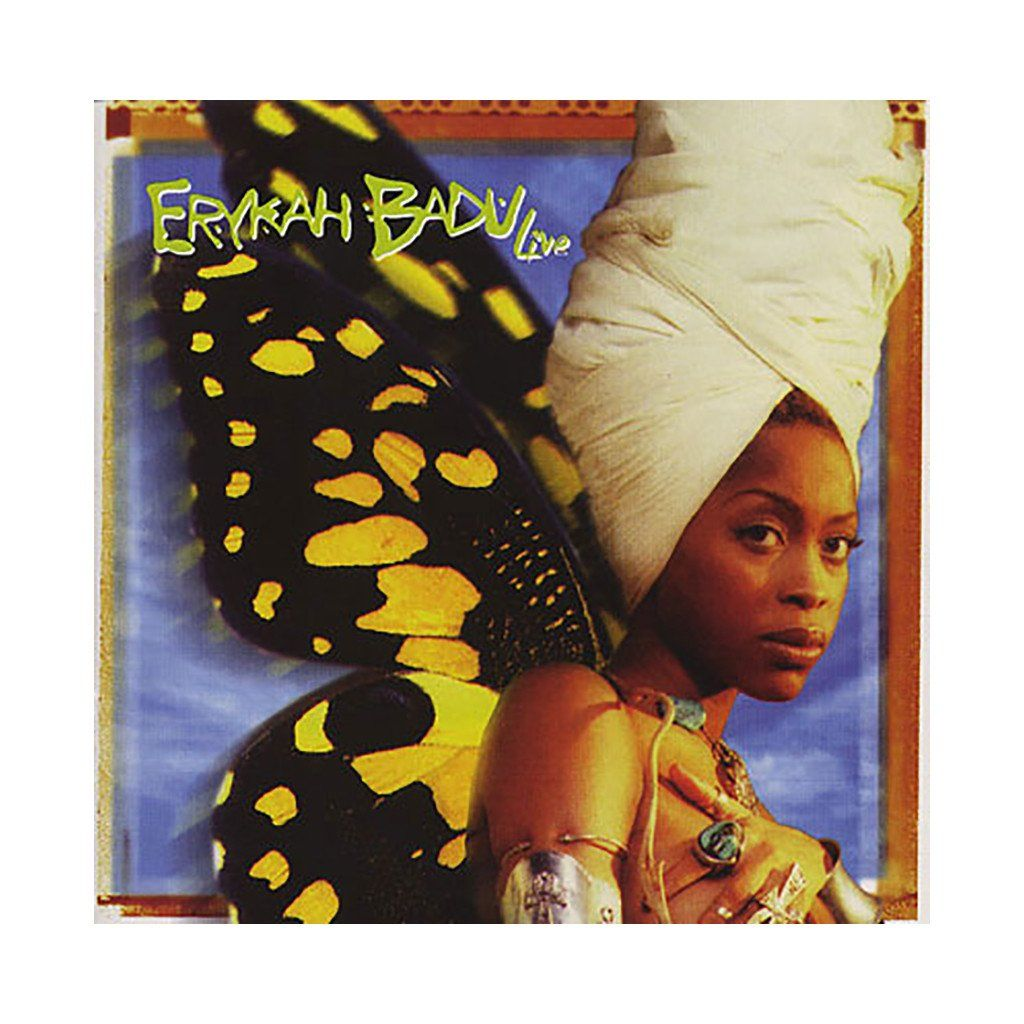
“On the front of the liner notes, Badu’s head and upper torso appear in profile, with a pair of black and yellow wings appearing from behind. On the back cover, she is shown sitting partially clothed on a muddy patch of dirt and leaves, this time with brown moth-like wings appearing behind her”(David 701). This representation with mixed media strengthened her message on black beauty and embraced her authentic self, directly referring to Afrofuturist critiques on identity that others aim to criticize. Afrofuturism was a strong movement to criticize against static norms and expectations of society, but does it still apply to our current day society?
Ultimately, concern rises not in the difference in genres that are trending today and that were trending then, but the discredit and separation that has brought jazz in recent times to represent activism against oppression. These title tracks have lasted for decades, and they continue to persist in their lyrics as displayed by the Outkast in “ATliens”. While searching through influential artists in the 21st century that address socioeconomic problems, they were one of the most iconic groups. This song introduces a lens through the Black South and using “aliens” as a metaphor, which ties back to Afrofuturistic roots and sci-fi, fictions the community as otherworldly and spiritual. In the music video I noticed the use of digital beats being used as the early 2010’s was known for, and how it collared with the themes of identity and cultural pride. This is just a snippet of how Afrofuturist Jazz translates into our modern tastes of it. When you find yourself looking for a new track to listen to, make it your opportunity to pick a track from a curated Jazz playlist and close your eyes and give it a go. You’d be giving jazz a new gateway to opportunity and perhaps your own life, and you won’t regret it. Every great thing has had its setbacks but from here, thinking about the possibilities that music has when it comes to clashing together, it’s important to bring it back with the credit it deserves, because the emergence and evolution of jazz is something that needs to be acknowledged.
Works Cited
David, Marlo. “Afrofuturism and Post-Soul Possibility in Black Popular Music.” African
American Review, vol. 41, no. 4, 2007, pp. 695–707. JSTOR,
http://www.jstor.org/stable/25426985. Accessed 20 May 2026.
Farrington, Holly. “‘I Improvised behind Him … Ahead of Time’: Charles Mingus, Kenneth
Patchen and Jazz/Poetry Fusion Art.” Journal of American Studies, vol. 41, no. 2,
2007, pp. 365–374. JSTOR, https://www.jstor.org/stable/27557998.
Solis, Gabriel. “Soul, Afrofuturism & the Timeliness of Contemporary Jazz Fusions.”
Daedalus, vol. 148, no. 2, 2019, pp. 23–35. JSTOR,
https://www.jstor.org/stable/48563006. Accessed 15 Mar. 2026.DOI:
10.35631/IJCREI.610001
Vox. (2016, March 4). Afrofuturism mixes sci-fi and social justice. Here’s how it
works [Video]. YouTube.https://youtu.be/jlPwTMMhGGI
AI Transparency Statement
I, Tazneen Sultana, have used AI (Copilot) to assist me in the formulation of my Subculture Final Draft. I have used it to summarize the sources, to help me cite my sources for the works cited and to explain the prompt clearer in order to understand how to format my draft. However, I have in no way used it to directly write my subculture draft word for word. I firmly believed in straying away from this in order to maintain its authenticity. Thank you.

